How Cold Is Too Cold for Dogs? A Chart by Size
There's no single number. Size, coat, age and the wind all change it. Here's a rule of thumb, and the signs that mean it's time to go in.

3 min read
Some links in this article are affiliate links. As an Amazon Associate we earn from qualifying purchases, at no extra cost to you. We only link to things we would tell a friend to buy, and we say plainly when you do not need them.
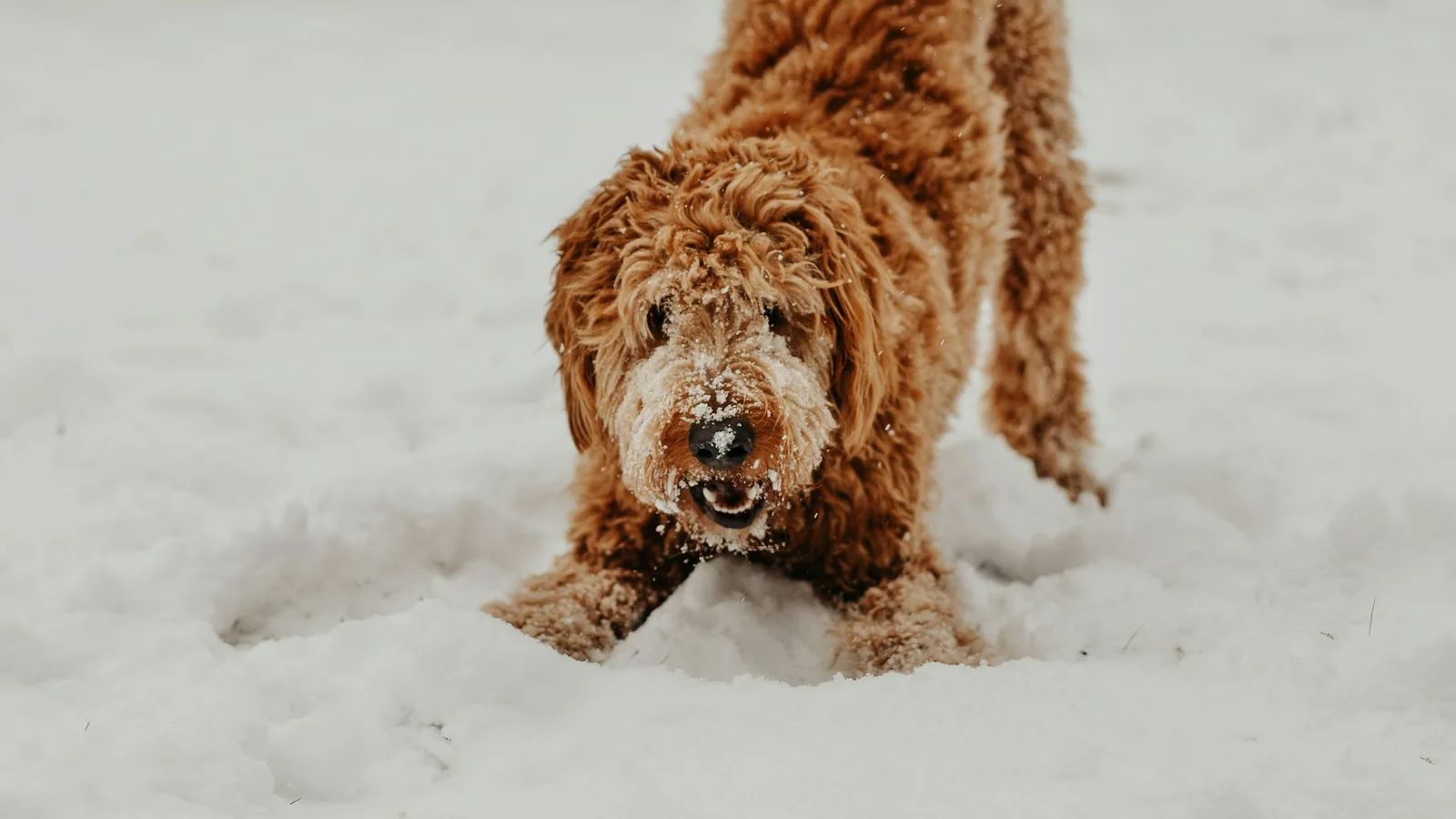
Most dogs are comfortable above about 45°F. Below 32°F, small, short-coated, very young, old or thin dogs need a coat and shorter walks. Below 20°F, keep walks short for every dog.
- Wind, rain and wet snow make it feel much colder. Go by the wind chill.
- Shivering, lifting paws or slowing down means it's time to go in.
- Seniors and dogs with arthritis feel the cold first.
The chart
| Temperature | Small or short-coated | Medium | Large, thick-coated |
|---|---|---|---|
| 45°F and up | Fine | Fine | Fine |
| 32 to 45°F | Coat, watch for shivering | Usually fine | Fine |
| 20 to 32°F | Coat, short walks | Watch closely | Usually fine |
| Below 20°F | Potty breaks only | Short walks | Short walks, check paws |
Move one row colder for a puppy, a senior, a thin dog, or one with a health problem, and when it's wet or windy. Huskies, Malamutes and other northern breeds handle a row or two more cold than the chart.
Signs your dog is too cold
- Shivering, a hunched back or a tucked tail.
- Lifting paws, limping, or stopping to lick feet.
- Slowing down, whining, or trying to turn home.
- Pale or gray skin on ears, tail tip or toes, which can mean frostbite. Warm them gently and call your vet.
Keeping walks safe
- Do two or three short walks instead of one long one.
- Walk in the warmest part of the day.
- A coat for small, short-coated and senior dogs; booties if they'll wear them.
- Wipe paws when you get home. Salt and ice melt burn pads: see protecting paws from ice melt.
- Keep antifreeze locked away. It tastes sweet, and a small amount can kill a dog.
If cold weather means your dog won't go at all, try these fixes for a dog who won't pee in the snow.
Quick questions
Do dogs need coats in winter?
Small, short-coated, young, old and thin dogs do below about 32°F. Thick-coated breeds usually don't.
Can dogs get frostbite?
Yes, usually on the ears, tail tip and toes, and mostly below about 20°F or in wind and wet.
How long can a dog stay outside in the cold?
Above freezing, most healthy dogs are fine for normal walks. Below 20°F, keep it to 10 to 15 minutes for most dogs.
Sources
- Cornell Riney Canine Health Center: Winter safety tips
- Tufts Cummings School: Winter hazards for pets
- AVMA: Cold weather animal safety
More supplies we recommend are on our shop page.
This guide is general information, not veterinary advice. Anything sudden, painful, bleeding or getting worse is a call to your vet.
Read next
Potty training
Dog Won't Pee in the Snow or Rain? What to Try
Clear or cover a small spot near the door, go out with your dog, wait it out with them, and reward the second they finish. Don't let a refusal end with free run of the house.
4 min read
Winter
Ice Melt and Salt: How to Protect Your Dog's Paws
Wipe or rinse your dog's paws after every winter walk, rub in a lick-safe balm before you go, and use booties if they limp or lick a lot. At home, use a pet-safe ice melt.
3 min read
Holidays
Can Dogs Eat Turkey, Ham or Pie? The Holiday Food List
Plain cooked turkey, without the skin or bones, is fine. So are plain green beans, carrots and sweet potato. Ham, chocolate, grapes and raisins, onions, cooked bones and anything sweetened with xylitol are not.
4 min read